In a groundbreaking move that is sure to send shockwaves through the music industry, YouTube, the world’s leading online video platform, has just announced its foray into the realm of spatial audio. This highly anticipated feature promises to revolutionize the way users consume music, offering an immersive and captivating sonic experience like never before.
Spatial audio, often referred to as 3D audio, utilizes advanced audio engineering techniques to create a three-dimensional sound field that mimics the way we hear sounds in the real world. It adds depth, dimension, and a sense of space to audio recordings, providing a truly immersive auditory journey for listeners.
YouTube has introduced not one, but two spatial audio formats to cater to different preferences and listening devices. The first format, known as First Order Ambisonics, employs a technique called soundfield rotation to simulate an enveloping audio environment. This format is compatible with various playback systems, ranging from headphones to high-end surround sound setups, ensuring a seamless listening experience across different platforms.
For those seeking an even more personal and intimate auditory encounter, YouTube has introduced a second format called First Order Ambisonics with Head-Locked Stereo. This format focuses on delivering a more localized audio experience by anchoring the stereo soundstage to the listener’s head movements. It creates a sense of being in the midst of the music, making the listener feel like an active participant in the sonic landscape.
This bold move by YouTube underscores the platform’s commitment to staying at the forefront of technological advancements in the music industry. By integrating spatial audio into their platform, YouTube aims to provide artists and music enthusiasts with a medium to showcase and experience music in a truly transformative way.
The implications of this development are far-reaching. Artists and musicians can now harness the power of spatial audio to create immersive music videos that transport viewers to another realm, blurring the line between the visual and auditory realms. It opens up a whole new world of creative possibilities, enabling artists to craft multidimensional sonic experiences that resonate deeply with their audience.
Additionally, this move positions YouTube as a strong contender in the increasingly competitive music streaming landscape, offering a unique selling point that sets it apart from its rivals. With spatial audio, YouTube aims to solidify its position as the go-to platform for music discovery, curation, and consumption, appealing to both artists and listeners alike.
While spatial audio has already been embraced by other streaming platforms, YouTube’s entry into this domain brings with it a massive user base and unrivaled reach. With billions of active users worldwide, YouTube has the potential to expose a vast audience to the wonders of spatial audio, further popularizing this cutting-edge technology and shaping the future of music consumption.
As YouTube prepares to roll out this exciting new feature, artists, music enthusiasts, and tech enthusiasts alike eagerly await the chance to immerse themselves in the captivating world of spatial audio. With the promise of a truly transformative listening experience, it’s safe to say that YouTube’s introduction of spatial audio is set to make waves throughout the music industry, forever changing the way we perceive and engage with music.
What is the fastest way to migrate my music library?
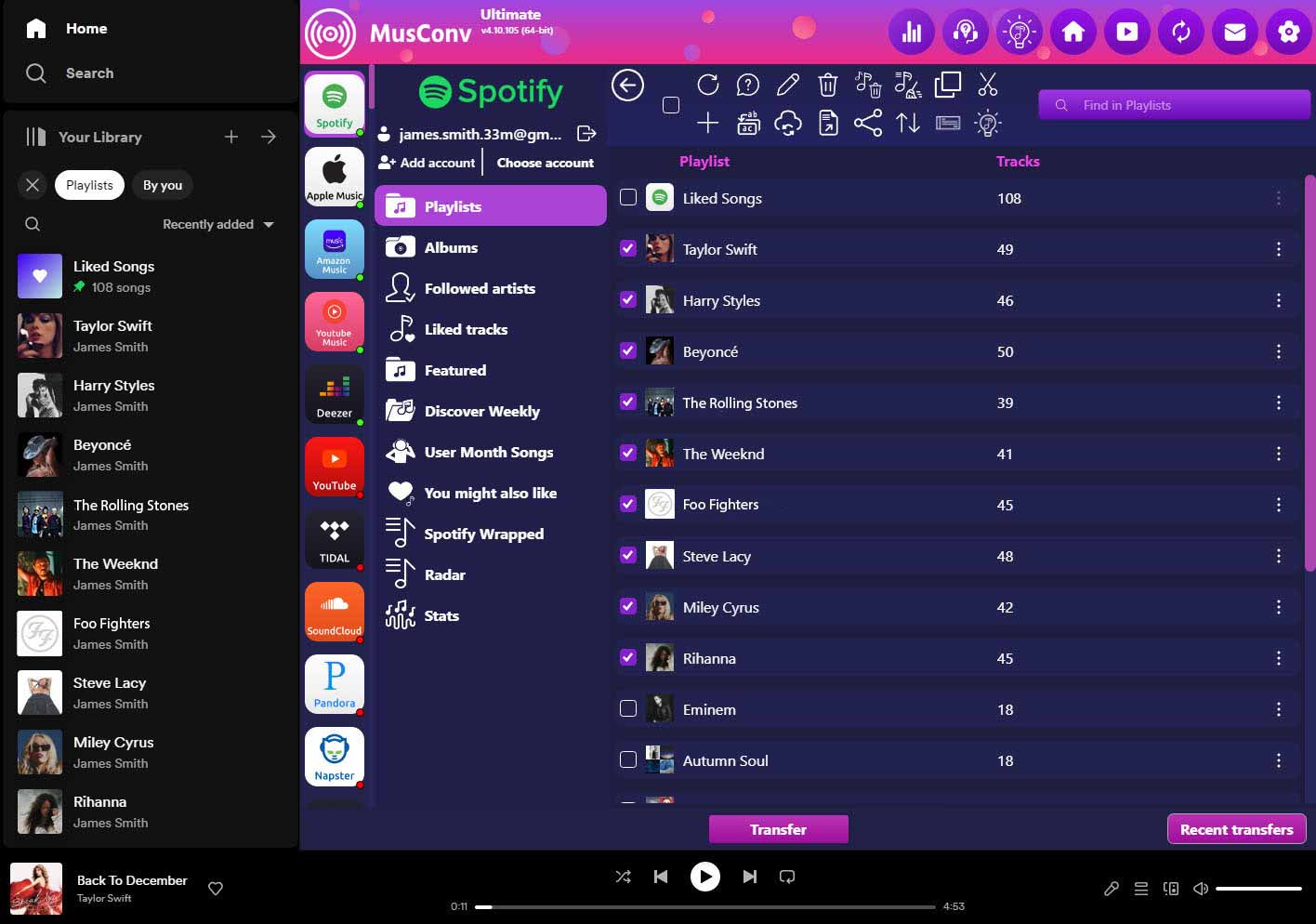
Use MusConv to automate the process. It acts as a digital bridge between platforms, scanning your current collections and rebuilding them in your new account so you don't have to search for songs one by one.
Can I choose which specific data gets transferred?
Yes. MusConv allows you to filter your migration, whether you want to move your entire history or just specific playlists, albums, and "favorited" tracks to keep your new profile organized.
How does the tool handle missing or licensed tracks?
If a song is unavailable on the destination service, MusConv generates a transfer report. This highlights any "failed matches," allowing you to find alternative versions or manage your local files manually.
Will my playlist structure and song order remain the same?
Absolutely. The software preserves your metadata and sequencing, ensuring that your curated folders and track orders look exactly the same on the new platform as they did on the old one.