In an era where streaming services are the norm, Apple Music has become a major player in the music industry. With over 100 million subscribers worldwide, Apple Music offers users access to a vast library of songs, playlists, and exclusive content. But what sets Apple Music apart is its unique feature, Apple Music Rewind.
Apple Music Rewind
Apple Music Rewind is a feature that allows users to relive their favorite music moments from the past. It’s a simple yet powerful tool that takes users on a trip down memory lane. But how does it work? In this article, we’ll take a closer look at the technology behind Apple Music Rewind.
The first thing to understand about Apple Music Rewind is that it’s not just a playlist or a collection of songs. It’s a curated experience that takes into account a user’s listening history, as well as their preferences and habits. Apple Music Rewind uses machine learning algorithms to analyze a user’s listening behavior and create a personalized playlist of songs that they may have forgotten about.
The Technology Behind Apple Music Rewind
The technology behind Apple Music Rewind is complex, but it can be broken down into a few key components. The first is data collection. Apple Music collects data on what songs a user has listened to, how often they’ve listened to them, and when they were last played. This data is then used to build a profile of the user’s listening behavior.
The second component is machine learning. Apple Music uses machine learning algorithms to analyze a user’s listening behavior and create a personalized playlist. The algorithms take into account a user’s listening history, as well as their preferences and habits. For example, if a user tends to listen to a lot of hip-hop music in the summer, the algorithm may recommend similar songs from past summers.
The third component is curation. Once the machine learning algorithms have created a personalized playlist, Apple Music curates the list to ensure that it’s of high quality. This involves checking for duplicates, ensuring that the songs flow well together, and removing any songs that may not be relevant to the user’s listening history.
Result
The end result is a personalized playlist that takes the user on a trip down memory lane. The playlist may contain songs that the user hasn’t listened to in years, or songs that they may have forgotten about entirely. It’s a powerful tool that can reignite a user’s love for music and remind them of the good times associated with each song.
Beyond the annual overview, many users would like to see trends over time: for example, how their favorite genres have changed over the past five years or which artists return most frequently in different seasons. Apple currently limits itself to basic selections, but expanded reports could transform Rewind into a full-fledged music diary, allowing users to track the evolution of their tastes.
Apple Music Rewind is just one of the many features that makes Apple Music stand out from other streaming services. It’s a testament to the power of machine learning and data analysis, and it shows how technology can be used to create a more personalized experience for users. Whether you’re a music lover or just someone who enjoys the occasional tune, Apple Music Rewind is definitely worth checking out.

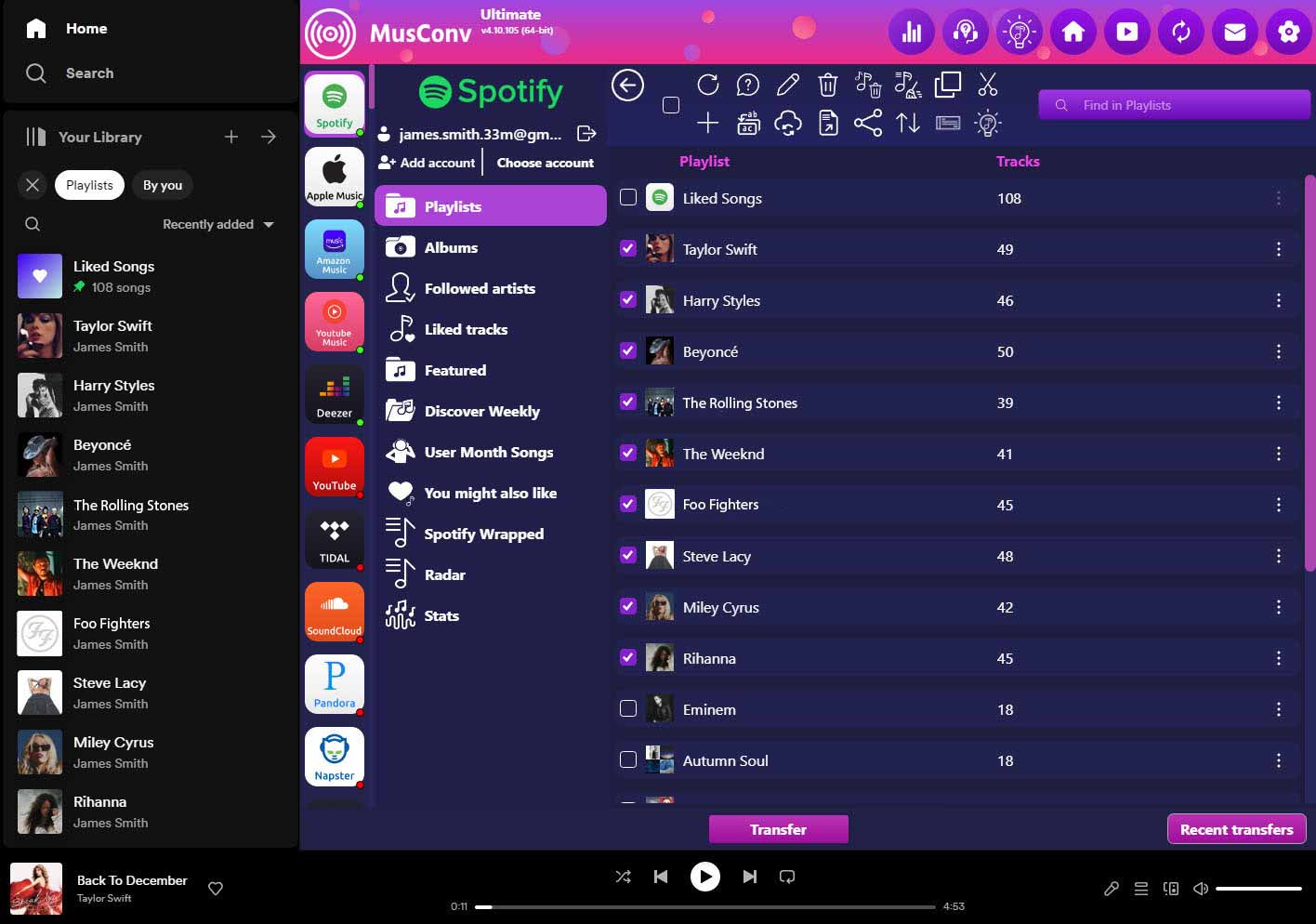
Third-party tools aren’t to be overlooked. For example, MusConv lets you transfer music collections between dozens of services while preserving the structure and order of tracks. Moreover, it can display Apple Music statistics in a convenient format. This gives users additional control over their data and the ability to analyze their habits more deeply than the standard Rewind tool.