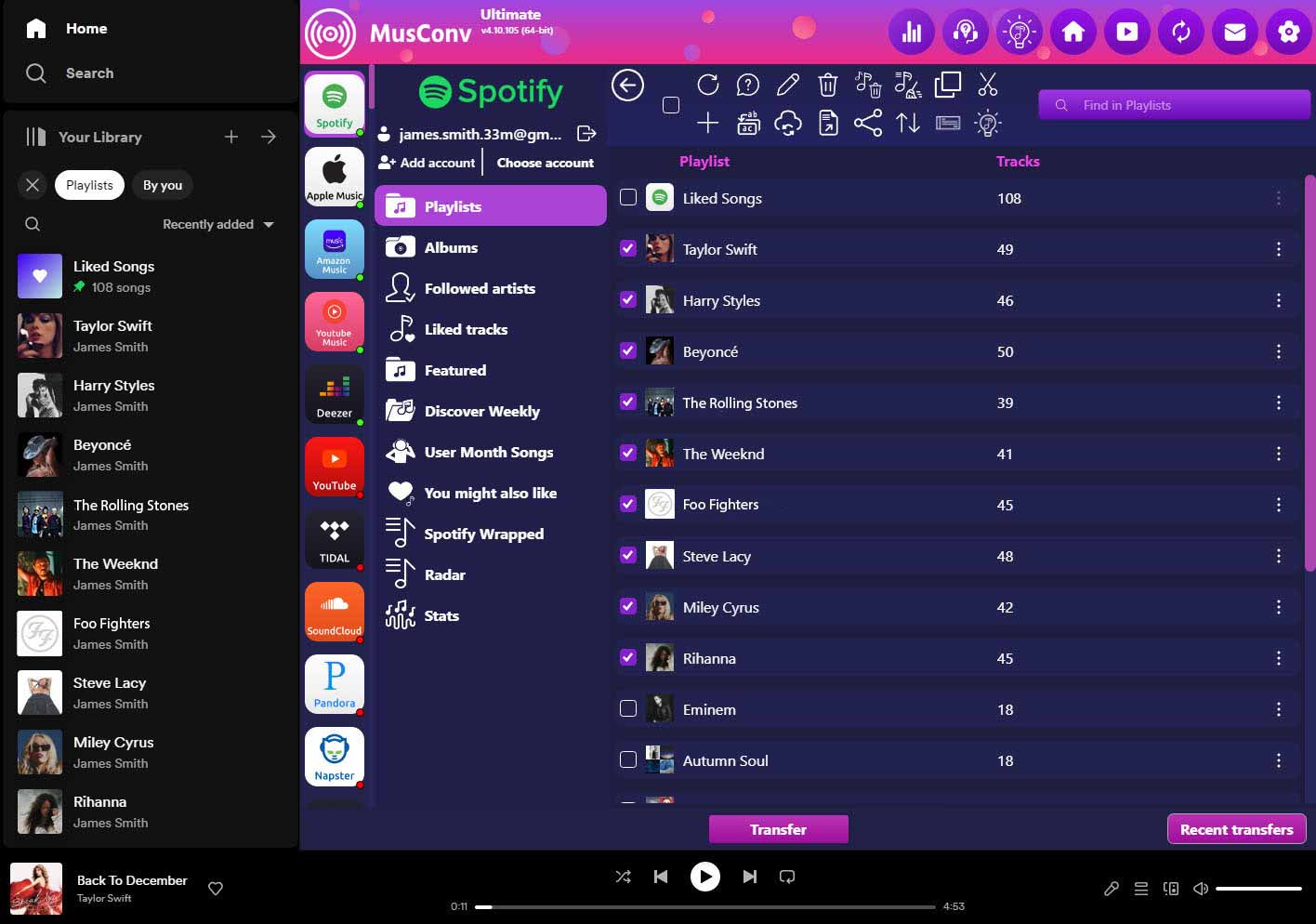
In a recent video that has sent shockwaves through the music industry, rapper Dre took to social media to shed light on the stark difference in artist compensation between two of the biggest streaming platforms: Apple Music and Spotify. Dre’s eye-opening comparison has sparked widespread debate and raised questions about how artists are being rewarded for their creative endeavors in the digital era.
The video, which quickly went viral, succinctly illustrated the disparity in earnings for artists on Apple Music versus Spotify. With a touch of astonishment in his voice, Dre revealed that Apple Music pays musicians a generous $0.01 per stream, while Spotify falls far behind, compensating artists a mere $0.0033 for the same number of listens.
These numbers have sent ripples of discontent throughout the music community, reigniting the ongoing conversation about fair compensation for artists in the streaming landscape. As streaming services continue to dominate the music consumption market, the issue of artist remuneration has become a central point of contention between musicians and these digital giants.
While both Apple Music and Spotify boast colossal user bases and provide a platform for artists to reach a vast audience, it is clear that the disparity in compensation has become a sore point for many musicians. With the rise of streaming, artists have come to rely heavily on these platforms for exposure and revenue generation. However, the meager compensation from streaming services has left many struggling to make ends meet, particularly for independent and emerging artists.
The discrepancy between Apple Music and Spotify’s payout rates has prompted artists, industry experts, and music enthusiasts alike to question the ethics of these platforms and their commitment to supporting musicians. Advocates for fair compensation argue that artists deserve a more substantial slice of the streaming revenue pie, considering the value they bring to the platforms and the creative effort they pour into their craft.
Apple Music’s payment model, offering a penny per stream, has garnered praise from some corners of the industry for its comparatively higher artist compensation. However, critics argue that even this seemingly generous rate is still far from meeting the needs of artists, especially when considering the numerous streams required to generate a significant income.
On the other hand, Spotify’s much lower payout rate has drawn criticism and even legal challenges from musicians who argue that the streaming giant’s model disproportionately favors record labels and executives over the artists themselves.
As the debate rages on, artists, industry bodies, and lawmakers are grappling with how to address the issue of artist compensation in the streaming age. While Apple Music’s higher payout rate presents a glimmer of hope, there is still a long way to go before artists can truly reap the rewards they deserve for their creative endeavors.
The battle for fair artist compensation in the music industry is far from over, and the outcry sparked by Dre’s video serves as a poignant reminder that change is desperately needed. As the music landscape continues to evolve, it is imperative that streaming platforms reassess their payment models and prioritize the well-being and livelihoods of the artists who make their platforms thrive.