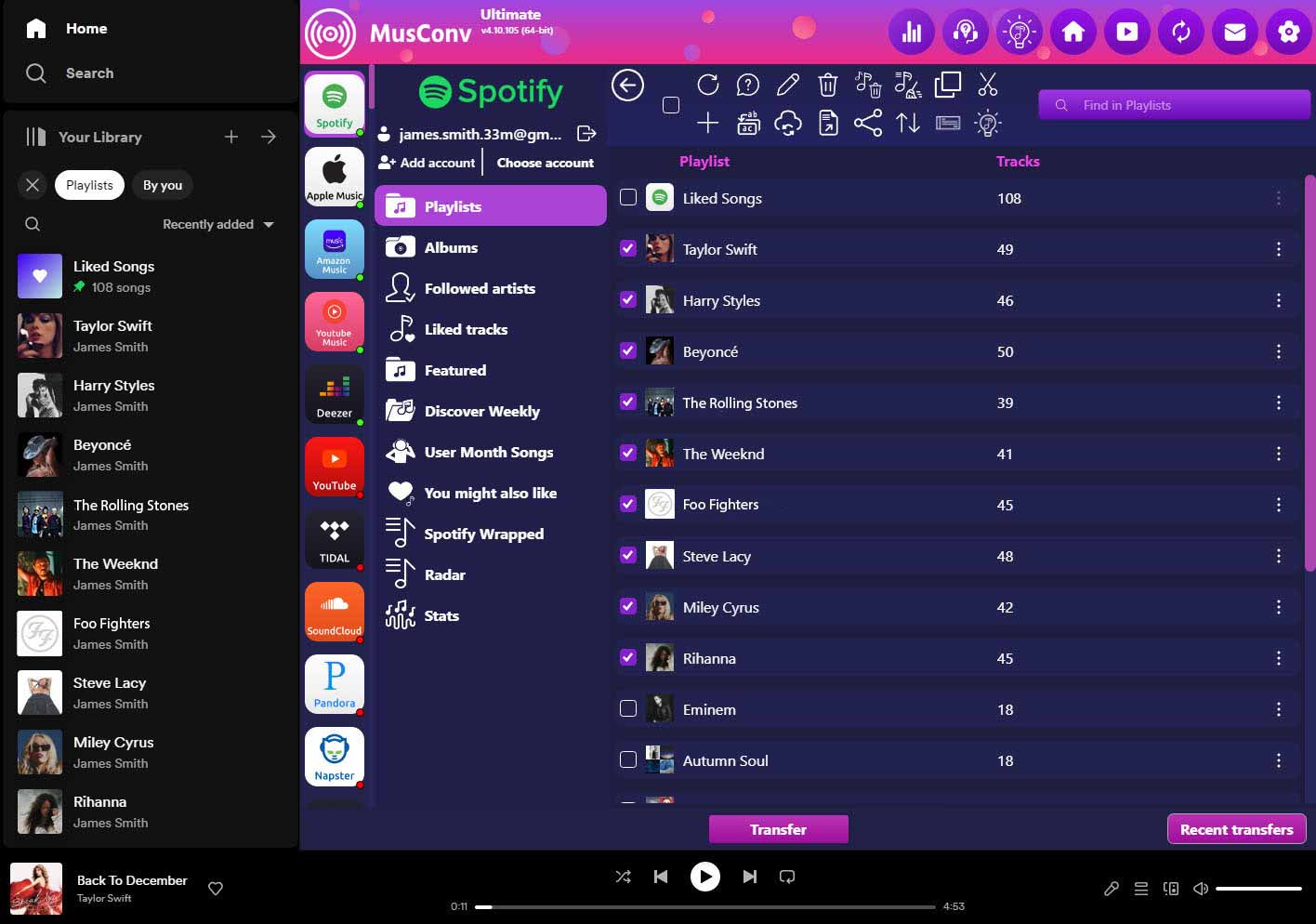
This practical teardown analyzes verification loops, identity API hooks, catalog access limits, and library migration workflows for university listeners.
Paying full price for digital audio streams while living on cheap instant noodles is pure financial madness. Most students throw twelve bucks at Spotify every single month just because some stupid online verification form threw an error. Look, if you actually want to get your Spotify Premium Student Discount Plan locked in without losing your mind, you have to stop reading their slick marketing pages and look at how their background verification systems actually break.
The Verification Barrier: SheerID Identity Hooks and Academic Registry Verification
Spotify does not care about your word or your fresh student ID card. They dump all identity checks onto SheerID – a sneaky third-party data broker that constantly pings university servers and student databases to check if you are legit. When you click that discount link, an automatic API script tries to match your name, birthday, and university email with official campus records. If your university registrar typed your middle name wrong on your transcript, the system just drops you. Pure trash.
This automated algorithm is insanely picky. If the name on your Spotify account is slightly different from your official school profile, the bot flags your application right away. Then you get stuck in the manual review trap. You have to scan and upload actual paper documents – like a fresh tuition receipt, a printed class schedule, or an official transcript. Those files must show your real full name, the current semester dates, and the official school logo crystal clear.
If your college uses some small local web domain that isn’t in their global database, the bot just dumps your application without telling you why. Half the time users get stuck in infinite page refresh loops simply because their browser ad blocker killed the tracking scripts that SheerID uses to phone home. Getting past this wall means grabbing your official PDF documents beforehand and keeping in mind that these verification systems hate real humans.
Technical Breakdown and Performance Metrics
Comparing subscription tier metrics reveals significant gaps in verification frequency, pricing structures, streaming limits, and metadata access.
Forget the promo banners. Look at the real technical breakdown of how student accounts stack up against standard plans and self-hosted setups:
Plan Architecture
Monthly Billing Rate
Identity Verification Frequency
Maximum Streaming Bitrate
DRM Protection Level
Cross-Platform Library Migration
Student Discount Tier
$5.99 USD
Annual Re-Verification Required
320 kbps Ogg Vorbis
Encrypted DRM Cache
Restricted Proprietary API
Standard Individual Plan
$11.99 USD
None (Permanent Account Status)
320 kbps Ogg Vorbis
Encrypted DRM Cache
Restricted Proprietary API
Local Media Engine
$0.00 USD (Self-Hosted)
None (Hardware Owned)
Lossless FLAC / ID3
Zero DRM Restrictions
Open File System Access
Numbers do not lie. The student tier saves you half your money, but it forces you through annoying annual checks while locking your music behind heavy corporate encryption.
Step-by-Step Practical Application Guide
Submitting a flawless discount application requires explicit browser preparation, account profile alignment, and document verification steps.
Stop randomly clicking buttons on your phone. If you want this discount setup to actually go through on the first try, do it systematically:
Open your main Spotify profile on a real computer browser and check if your profile name matches your legal student ID exactly.
Kill your ad blockers, turn off privacy extensions, and disconnect your VPN so the verification scripts do not break midway.
Hit the official verification link and pick your exact university from the big drop-down list.
Type in your campus email address, your legal name, and your date of birth without typos.
Log into your school portal when the browser redirects you to your campus login screen.
Upload a crisp PDF of your tuition receipt or active schedule if the system asks for manual proof.
Check your billing account right after getting approved to make sure the lower price kicked in.
Doing this manually saves you from weird system glitches and keeps your profile from getting blocked.
Database Hygiene, Metadata Portability, and MusConv Integration
Migrating custom track lists and favorited albums during account changes requires independent database translation utilities.
Switching over to a fresh student profile with a new email address usually creates a massive headache. Streaming platforms love keeping your data hostage. Proprietary database formats make moving your library a total nightmare when setting up your Spotify Premium Student Discount Plan on a new profile. If you make a fresh account with your uni email, all your saved albums, custom playlists, and years of listening history stay locked in your old account.
This stupid wall is why you need third-party tools to handle your music data properly. A dedicated tool like MusConv works as a neutral data bridge between completely separate accounts. Let us clear up a common myth right now: MusConv does not download audio files, grab free MP3s, or crack copyright protection. It works purely on a metadata level. The tool reads track names, artist tags, album fields, and ISRC codes from your old account, translating everything into clean API calls that rebuild your exact playlists inside your new profile.
Different setups need different tools. MusConv handles this cross-platform stuff easily by working as a heavy bulk workstation on Windows or macOS desktops while also running as a portable mobile app on Android and iOS phones. Running a big playlist on a desktop computer lets you parse thousands of tracks fast without killing your mobile data or frying your battery. Once your track tags match up, keeping your playlists identical across all your devices is dead simple.
If you care about your library, pair your cheap cloud account with smart metadata export tools. Relying on a single cloud service means you will lose your data eventually, but keeping raw playlist backups keeps your music safe no matter what account you use.
DRM Encryption Traps, Verification Expired States, and Account Locks
Understanding student discount expirations and local storage limits prevents sudden playback lockouts.
Here is the big trap with the Spotify Premium Student Discount Plan: it strictly caps out after four years total. Also, you have to re-verify your student status every twelve months on the dot. If you miss that annual email check or ignore the warning prompt, Spotify instantly bumps your account back up to full price without asking.
On top of that, offline downloads on student accounts are locked down with heavy DRM. Mobile and desktop apps scramble cached streams into hidden binary blobs inside system folders. These files have zero readable ID3 tags, making them completely unreadable to normal media players like VLC.
The second your account drops back to a free tier or your payment fails, the app revokes your decryption keys. All those downloaded songs sit on your storage drive like dead weight – completely unplayable until you pay up again. Changing file extensions or moving folders around does absolutely nothing. Dead data. Combining cheap streaming access with actual local backups is the only real way to keep your music safe from sudden price jumps or account locks.
Troubleshooting Common Verification Failures
Resolving application timeouts, SSO authentication drops, and identity mismatches requires direct diagnostic steps.
When the setup breaks, it is usually because of browser garbage, name mismatches, or bad documentation. Fix it fast with these diagnostic steps:
Clear your browser cache and cookies completely if the application screen hangs or freezes.
Change your Spotify profile name so it matches your transcript character-for-character before applying.
Use Incognito mode to stop your browser from auto-filling details from your personal Gmail account.
Grab an updated PDF from your student portal that clearly shows active enrollment for the current month.
Ping SheerID support directly with your official tuition receipts if your school is missing from the dropdown menu.
Run these steps, get your cheap rate locked down, and stop throwing extra cash at corporate streaming giants.
What is the most efficient method to avoid manual labor when changing services?
Use MusConv to automate the migration. It connects your streaming credentials and ports your database over, turning what would be hours of tedious work into a streamlined, one-click operation.
Is it possible to selectively import only my active playlists?
The program gives you full control: you can migrate your total listening history or perform a clean start by ticking only the specific folders and current playlists you actually want to keep.
How does the software notify me about inaccessible tracks?
If a song is geo-blocked or absent from the new database, MusConv flags it in a dedicated transfer report. This helps you pinpoint gaps in your library and fill them manually if necessary.
Will my nested folders and album chronologies stay the same?
The system is programmed to respect your library's logic. All track strings and sub-folders will appear exactly as you arranged them, maintaining your established listening experience.